 info@agrodale.com
 +91 7025675636
 info@agrodale.com
+91 7025675636
info@agrodale.com
+91 7025675636
Welcome to AGRO DALE, your trusted partner in the world of poultry and agriculture. We are a dynamic and innovative company dedicated to providing top-tier services in the agricultural sector. With years of experience and a passionate team, we have become a leading name in the industry. We adhere to the highest standards of quality and safety in all our operations, from hatching to feed production and farming.
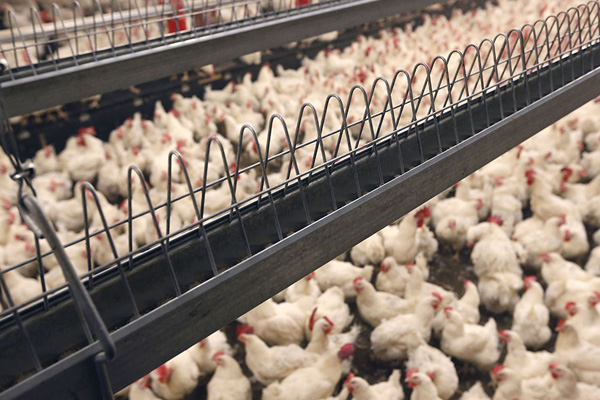
Breeding farms are the cornerstone of sustainable livestock and poultry production. These specialized facilities are where carefully selected animals are raised to produce the next generation of healthy, genetically superior offspring. In this blog, we’ll explore the key aspects that make breeding farms successful and the vital role they play in the agricultural industry.
1. Selecting the Best Genetic Stock
At the heart of any successful breeding farm is the careful selection of breeding stock. Producers meticulously choose animals based on specific traits such as growth rate, disease resistance, and reproductive efficiency. This step is fundamental to improving the overall quality and productivity of the herd or flock.
2. Nutritional Management
Nutrition is a critical factor in breeding farm success. Animals need a balanced diet that meets their specific nutritional requirements, especially during the reproductive cycle. Proper nutrition ensures the health of the breeding animals and the quality of their offspring.
3. Health and Disease Management
Breeding farms prioritize the health and well-being of their animals. Rigorous vaccination schedules, regular veterinary check-ups, and biosecurity measures help prevent the spread of diseases that could impact both the breeding stock and the future generations.
4. Controlled Breeding Environments
Breeding farms often employ controlled environments to optimize breeding conditions. This includes regulated temperature, humidity, and lighting to encourage natural breeding behaviors and reproductive success.
5. Reproductive Technologies
Modern breeding farms leverage advanced reproductive technologies such as artificial insemination and embryo transfer to enhance genetic progress. These technologies allow for more precise genetic selection and accelerated breeding cycles.
6. Data Collection and Analysis
Data collection and analysis play a pivotal role in breeding farm management. Continuous monitoring of animal performance and genetic data helps producers make informed breeding decisions to achieve their desired breeding goals.
7. Ethical and Welfare Considerations
Responsible breeding farms prioritize animal welfare and ethical practices. They ensure that animals are treated with care and respect throughout their lives, from birth to retirement.
8. Offspring Care and Selection
Once the offspring are born, they undergo rigorous selection processes. Only animals meeting the desired genetic and performance criteria are retained for breeding, while others may be sold for meat production or as breeding stock to other farms.
9. Collaboration with Researchers
Many breeding farms collaborate with researchers and universities to stay at the forefront of genetic and reproductive advancements. This partnership helps improve breeding practices and contributes to scientific knowledge in the field.
10. Commitment to Sustainability
Sustainable practices are increasingly important in modern agriculture. Many breeding farms implement eco-friendly initiatives such as waste management systems and sustainable feed sourcing to reduce their environmental footprint.
In conclusion, breeding farms are the foundation of a thriving agricultural industry. Their dedication to selecting and raising genetically superior animals ensures the ongoing success of livestock and poultry production. Through careful management, ethical practices, and a commitment to sustainability, breeding farms contribute to the quality and efficiency of food production systems while upholding animal welfare and responsible farming principles.
Regenerate


