 info@agrodale.com
 +91 7025675636
 info@agrodale.com
+91 7025675636
info@agrodale.com
+91 7025675636
Welcome to AGRO DALE, your trusted partner in the world of poultry and agriculture. We are a dynamic and innovative company dedicated to providing top-tier services in the agricultural sector. With years of experience and a passionate team, we have become a leading name in the industry. We adhere to the highest standards of quality and safety in all our operations, from hatching to feed production and farming.
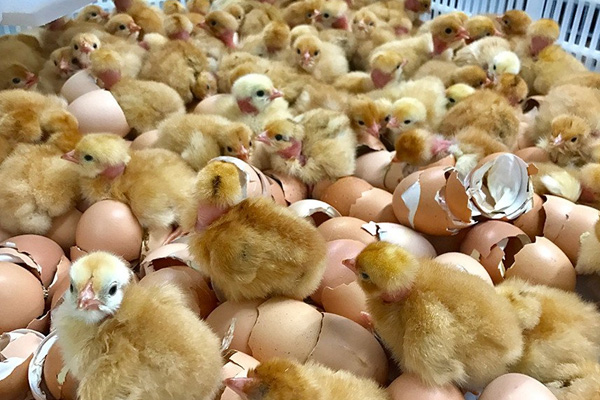
Hatcheries play a crucial role in the poultry industry, serving as the starting point for millions of chicks that will eventually become our source of eggs, meat, and more. In this blog, we’ll take you on a journey through the fascinating world of hatcheries, where the miracle of life begins for poultry.
1. The Egg Collection Process
The journey begins when eggs are collected from breeder flocks. These eggs are carefully selected based on factors like size, shape, and quality. Uniformity in egg quality is essential for consistent hatching results.
2. Egg Sanitation and Storage
Once collected, the eggs go through a sanitation process to eliminate any potential pathogens. They are then stored in a controlled environment to maintain their freshness and viability.
3. Incubation
The heart of any hatchery is the incubation room. Here, the eggs are placed in specialized incubators that mimic the conditions of a broody hen. Temperature, humidity, and ventilation are carefully controlled to ensure optimal conditions for embryo development.
4. Candling and Quality Control
Around the seventh day of incubation, each egg is “candled.” This involves shining a light through the egg to check for signs of embryo development. Any eggs that aren’t developing properly are removed to maintain hatchery efficiency.
5. Hatching and Chick Arrival
After about 21 days of incubation for chicken eggs, it’s time for the chicks to hatch. This is an incredible process to witness, as the chicks use their egg tooth to crack through the shell and emerge into the world.
6. Chick Handling and Vaccination
Newly hatched chicks are carefully handled and vaccinated against common diseases to ensure their health and well-being.
7. Grading and Sorting
Chicks are graded based on factors like size and health. This sorting process helps hatcheries meet the specific needs of their customers, whether they are backyard poultry keepers, commercial broiler farms, or egg producers.
8. Packaging and Shipping
Once sorted and counted, chicks are carefully packaged for transportation to their new homes. Whether they’re sent to local farms or shipped across the country, the well-being of the chicks during transport is a top priority.
9. Ongoing Care and Monitoring
The hatchery’s responsibility doesn’t end with shipment. They often provide guidance and support to ensure the chicks thrive in their new environments. This includes information on feeding, housing, and disease prevention.
10. Sustainability and Ethical Practices
Many hatcheries are committed to sustainable and ethical practices. They may have initiatives to reduce energy consumption, minimize waste, and ensure the humane treatment of their birds.
In conclusion, hatcheries are the backbone of the poultry industry, where the journey from egg to chick begins. Their careful management and attention to detail are essential for providing healthy and productive birds to poultry producers and enthusiasts alike. The hatchery process is a testament to the intersection of science, technology, and the wonder of life.


